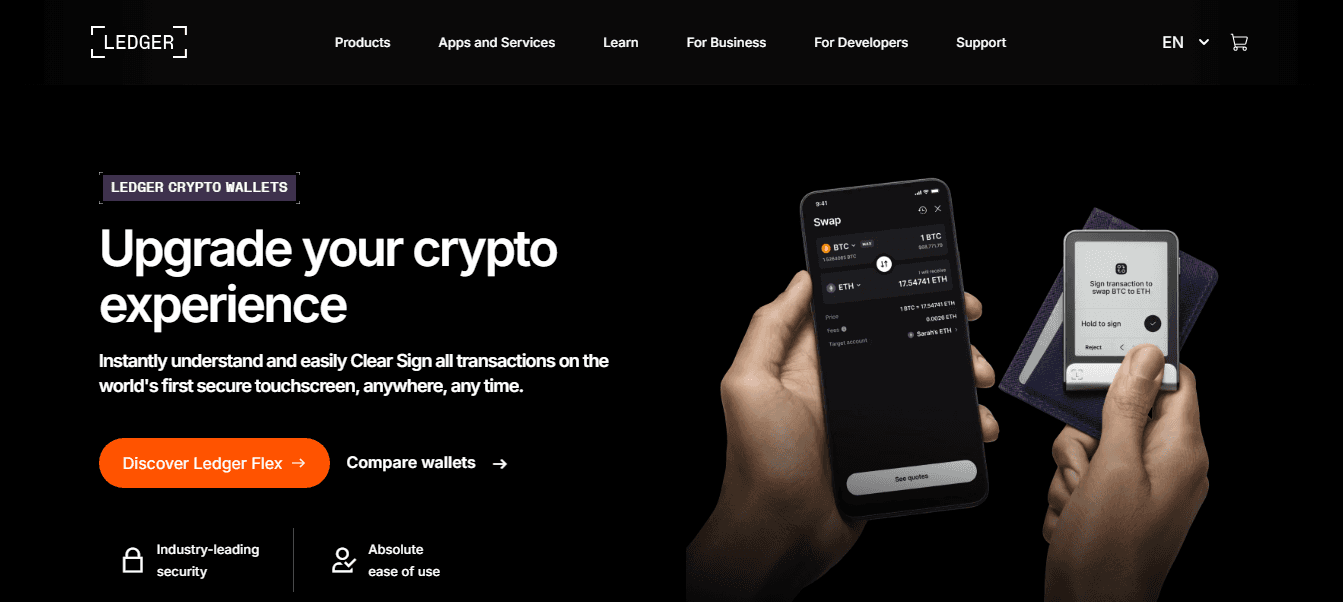
Ledger Login: A Complete Guide to Secure Access and Safe Crypto Management
In the world of digital assets, security is one of the top concerns for every user—whether you are holding a few cryptocurrencies or managing a large, diversified portfolio. With rising cyber threats, phishing attempts, and wallet compromises becoming more common, protecting your crypto requires more than just caution. This is where the Ledger login process, paired with Ledger hardware wallets and the Ledger Live application, plays a critical role.
Ledger has established itself as one of the most trusted brands in the crypto-security space, and its login system is designed to help users authenticate securely, protect their private keys, and ensure safe access to their digital assets. Unlike online wallets, Ledger’s login and access system is based on offline verification, meaning your private keys never touch the internet. This foundational design greatly reduces the risk of hacking.
This article explores how Ledger login works, why it matters, what steps are involved, and how users can stay protected during the entire process.
What Does “Ledger Login” Really Mean?
Unlike traditional accounts that use a username and password, Ledger does not have a standard online login system. Instead, “Ledger login” refers to the process of accessing your wallet using:
A Ledger hardware wallet (Ledger Nano S Plus, Nano X, Ledger Stax, etc.)
The Ledger Live app, which acts as the interface
PIN code authentication on the device
Recovery phrase backup for account restoration
When you “log in” to Ledger Live, you are essentially connecting your hardware wallet to the app so you can view balances, send and receive crypto, access staking, or interact with Web3 services. Your private keys stay securely inside the hardware wallet and are never exposed to the Ledger Live application or the internet.
Why Ledger Login Is More Secure Than Traditional Logins
The Ledger login system is fundamentally different from the login methods used by exchanges, online wallets, and other crypto platforms. Instead of passwords stored on a server, Ledger uses a secure offline authentication method, which provides several key advantages:
1. Private Keys Never Leave the Device
Even when you connect your wallet to Ledger Live, the private keys stay locked inside the secure element. Transactions must be confirmed physically on the hardware device.
2. PIN Code Protection
Access to your Ledger wallet requires a PIN. This ensures that even if someone gets hold of your device, they cannot access your funds without the correct PIN.
3. Recovery Phrase Backup
Your 24-word recovery phrase is the ultimate key to restoring your wallet. Ledger never stores or accesses your phrase, making it impossible for hackers to retrieve it from Ledger’s servers.
4. No Centralized Login Database
Since there is no username or password, there is nothing for hackers to breach or steal. Ledger’s architecture eliminates many common vulnerabilities.
How Ledger Login Works: Step-by-Step Guide
Here is a simplified explanation of the Ledger login process through Ledger Live:
Step 1: Connect Your Ledger Device
Plug your Ledger wallet into your computer using a USB cable, or connect via Bluetooth if you’re using the Ledger Nano X.
Step 2: Unlock with Your PIN
Turn on the device and enter your PIN. This unlocks the hardware wallet and allows Ledger Live to read your accounts.
Step 3: Open Ledger Live
Launch the Ledger Live application on your desktop or mobile device. The app will detect your hardware wallet and request permission to access it.
Step 4: Authenticate Device
Ledger Live checks whether your device is genuine using Ledger’s secure attestation process. This ensures you're not using a counterfeit or tampered wallet.
Step 5: Access Your Accounts
Once authenticated, Ledger Live will display your balances, portfolios, and available features. Your “login” is complete, and you can now manage your assets securely.
Common Issues During Ledger Login and How to Fix Them
1. Device Not Detected
This often happens due to:
USB connection issues
Outdated Ledger Live version
Missing device drivers
Solution: Update Ledger Live, restart your device, and try a different cable or port.
2. Wrong PIN Attempts
Entering the wrong PIN repeatedly may reset your device.
Solution: Enter carefully and remember that after 3 incorrect attempts, the device will reset for security purposes.
3. Ledger Live Sync Problems
Sometimes Ledger Live cannot synchronize accounts.
Solution: Refresh the app, install available updates, or clear cache through the settings.
Best Practices for Safe Ledger Login
Security is not only about the technology you use—it also depends on safe habits. Here are essential best practices:
1. Never Enter Your Recovery Phrase Online
Ledger will never ask you for your 24-word phrase through email, websites, chat, or phone.
2. Download Ledger Live Only from the Official Source
Fake apps are common phishing tools.
3. Verify Every Transaction on the Hardware Device
Always double-check transaction details on the Ledger device before confirming.
4. Keep Your PIN Secret
Treat your PIN the same way you would treat your bank PIN—never share it.
5. Store Your Recovery Phrase Securely
Write it down and keep it somewhere safe. Do not take photos or store it online.
Why Ledger Login Is Ideal for Beginners and Experts Alike
Whether you’re a crypto newcomer or an advanced user interacting with DeFi and NFTs, Ledger’s login system offers:
Simple access for beginners
Hardware-level protection for investors
Compatibility with staking, swapping, and Web3 for advanced users
Peace of mind for long-term holders
Its design combines simplicity with strict security, making it one of the most reliable systems for crypto asset protection.
Conclusion
The Ledger login experience is built around one core value: security without sacrificing convenience. With offline authentication, encrypted communication, and robust hardware protection, Ledger provides one of the safest ways to access and manage digital assets.
Whether you're checking your portfolio, staking crypto, or connecting to Web3 applications, Ledger's login system ensures that every interaction is protected from theft, hacking, and unauthorized access.
If you want, I can also create: