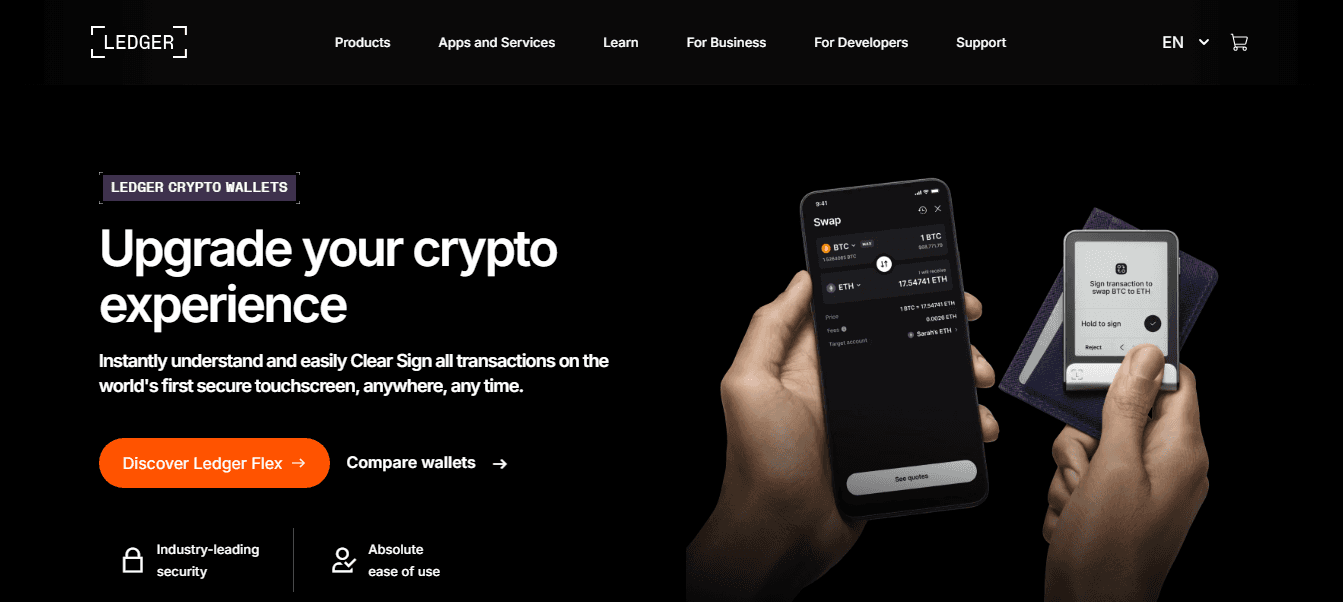
Ledger Login: How to Access Your Crypto Wallet Safely and Securely
In an era where digital assets are becoming mainstream, securing access to your cryptocurrency is more important than ever. Cyber threats, phishing websites, and fraudulent applications continue to grow, making it essential for crypto users to rely on trustworthy tools. Ledger Login is one of the safest methods for accessing a crypto wallet because it relies on hardware-based protection rather than traditional passwords. By combining a physical Ledger device with the Ledger Live software, users gain a powerful and secure way to manage, store, and transfer digital assets.
This guide explains what Ledger Login is, how it works, why it's safer than normal login systems, and the steps users should follow to ensure complete protection.
Understanding Ledger Login
The term “Ledger Login” refers to the process of accessing your cryptocurrency accounts through Ledger’s hardware wallet ecosystem using the Ledger Live application. Unlike typical logins that need usernames and passwords, Ledger uses:
A hardware wallet (Ledger Nano S Plus, Nano X, Ledger Stax, etc.)
A PIN code on the device
Your 24-word recovery phrase (for backup only)
The Ledger Live interface
With Ledger, you never log in online or into a server. Instead, you authenticate locally using your hardware wallet. Because your private keys remain inside the device and never touch the internet, the Ledger login process offers exceptional protection against online hacking.
Why Ledger Login Is Different From Regular Logins
Conventional websites store usernames and passwords on servers, which makes them potential targets for hackers. Ledger takes a completely different approach:
1. No Passwords and No Central Database
Ledger doesn’t store your login information because there is none. This eliminates the risk of password leaks, hacks, and data breaches.
2. Private Keys Stay Offline
Your private keys never leave your hardware wallet—not even during the login process. Even Ledger cannot access your keys.
3. Transactions Require Physical Confirmation
Every request—whether sending crypto or connecting to a dApp—must be approved manually by pressing the buttons on your Ledger device. This prevents unauthorized transfers.
4. PIN Code Protects the Device
Even if someone steals your Ledger hardware wallet, they cannot access it without the correct PIN.
5. Recovery Phrase Remains in Your Control
The 24-word recovery phrase is your ultimate backup. Ledger never stores it or asks you to type it into a computer or website.
These features make Ledger one of the most secure methods for managing digital assets.
How Ledger Login Works: Step-by-Step Guide
Below is the complete process for logging in using a Ledger hardware wallet and the Ledger Live app:
Step 1: Connect Your Ledger Device
Attach your Ledger Nano or Ledger Stax to your computer using a USB cable. For Ledger Nano X, you can also connect via Bluetooth on mobile devices.
Step 2: Enter Your PIN
Turn on the hardware wallet and enter the PIN you created during setup. Without this PIN, the device cannot be accessed.
Step 3: Open the Ledger Live Application
Launch Ledger Live on your desktop or mobile phone. The app will automatically attempt to detect your hardware wallet.
Step 4: Verify Device Authenticity
Ledger Live performs a security check known as Genuine Check to confirm that your hardware wallet is authentic and hasn’t been tampered with.
Step 5: Access Your Crypto Accounts
Once verified, Ledger Live unlocks your dashboard where you can:
View your portfolio
Check balances
Add accounts
Send and receive crypto
Stake or swap assets
Connect to Web3 applications
This completes the Ledger login process—quick, secure, and fully protected.
Common Ledger Login Problems and Their Solutions
Even though Ledger’s login system is simple, users sometimes encounter issues. Here are the most common ones:
1. Ledger Device Not Detected
This may happen if:
Your USB cable is faulty
Ledger Live is outdated
Drivers are missing
Fix: Try a new cable, update Ledger Live, or restart your computer.
2. Incorrect PIN Attempts
After three incorrect attempts, the device resets automatically.
Fix: Enter carefully and avoid guessing. If the device resets, you can restore using your 24-word phrase.
3. Ledger Live Won’t Sync
Sometimes network or software issues interrupt the synchronization.
Fix: Clear the cache in Ledger Live settings or reinstall the app.
4. Genuine Check Fails
This means Ledger Live cannot verify the device.
Fix: Update firmware and Ledger Live to the latest version.
Best Security Practices for a Safe Ledger Login Experience
Ledger’s system is secure, but your habits must also support that security. Follow these essential safety tips:
1. Never Enter Your Recovery Phrase Online
Your recovery phrase should only be used on your hardware wallet—never on a website, software, or app.
2. Download Ledger Live Only From the Official Website
Fake versions of Ledger Live are common phishing tools used to steal crypto.
3. Double-Check Transaction Details
Always confirm transaction addresses on the Ledger device screen before approving.
4. Protect Your PIN
Avoid writing it down in easy-to-find places. Treat it like your ATM PIN.
5. Store the Recovery Phrase Safely
Use a secure offline method—metal backups are even better.
Who Should Use Ledger Login?
Ledger Login is ideal for:
Beginners wanting a simple and secure crypto setup
Long-term investors protecting large holdings
Web3 and DeFi users needing secure contract interactions
NFT collectors storing valuable digital collectibles
Daily crypto users who need fast, secure access
Regardless of experience level, Ledger’s login process gives users confidence that their digital assets are protected.
Conclusion
Ledger Login is one of the safest access methods in the crypto industry. Its hardware-based authentication system, PIN protection, offline private keys, and physical verification steps dramatically reduce the risks that come with traditional logins. Whether you’re managing a small portfolio or a large collection of digital assets, Ledger Login provides the secure foundation you need for reliable crypto management.