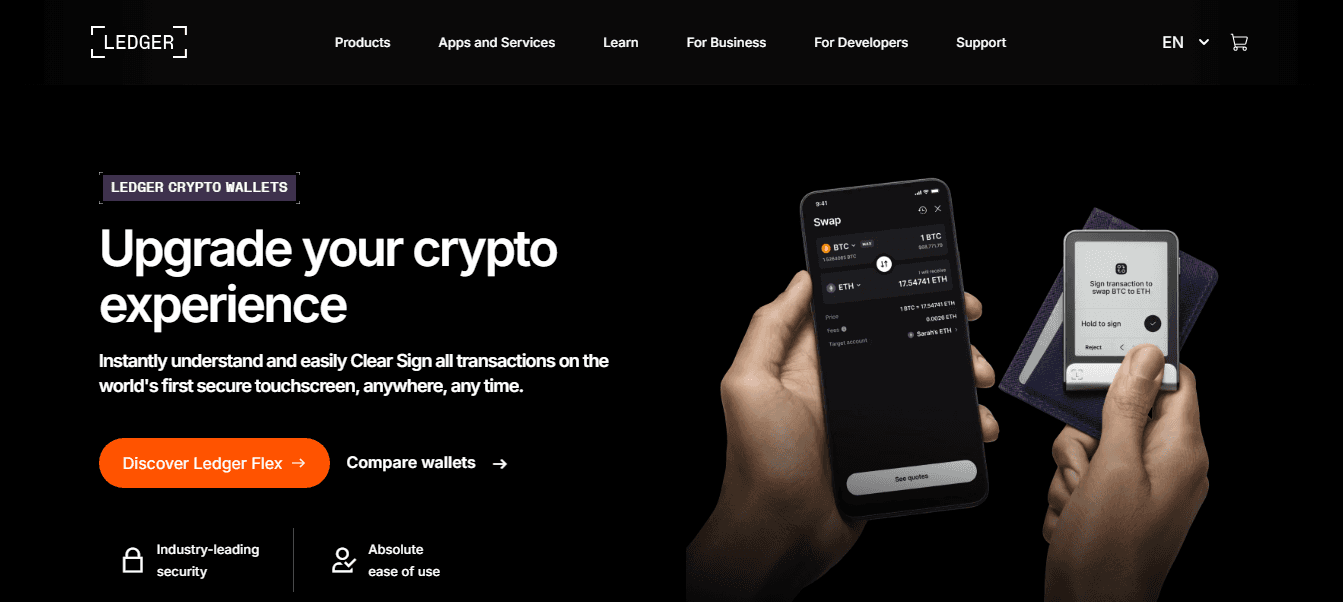
Ledger Login: A Modern, Secure Approach to Accessing Your Crypto Wallet
As cryptocurrencies continue to gain global adoption, the need for safe wallet access becomes more urgent. Users are no longer just investors—they are participants in a digital economy that includes decentralized finance (DeFi), NFTs, staking, and cross-chain transactions. In a landscape full of phishing attacks, exchange hacks, and malware threats, the way you access your wallet matters. This is where Ledger Login becomes essential.
Ledger’s login system, built around hardware wallets and the Ledger Live application, introduces a modern, secure alternative to the traditional username-and-password model. Instead of relying on centralized authentication, Ledger gives users full control through offline verification and hardware-based protection. This article explores how Ledger Login works, why it’s safer than typical logins, and how users can follow best practices for a safe crypto experience.
What Exactly Is Ledger Login?
Ledger Login refers to the process of accessing and managing your digital assets through a Ledger hardware wallet and the Ledger Live app. Unlike typical logins that authenticate over the internet, Ledger’s system uses:
A hardware wallet (Ledger Nano S Plus, Nano X, Ledger Stax, etc.)
A PIN code to unlock the device
The Ledger Live application as the interface
A recovery phrase for account restoration (never for login)
There is no online Ledger account holding your passwords. Instead, your wallet is physically stored inside your Ledger device, and Ledger Live merely provides a secure dashboard for interacting with your assets.
Why Ledger Login Is More Secure Than Traditional Logins
Most digital platforms rely on usernames, passwords, and cloud-stored information. Unfortunately, these systems are vulnerable to hacks, leaks, and phishing attempts. Ledger avoids these weaknesses by removing the need for online authentication altogether.
1. No Server-Based Login Credentials
Ledger does not store passwords, emails, or login data. Because there’s no centralized database, there’s nothing to hack or leak.
2. Private Keys Always Stay Offline
Your private keys—the most important part of your wallet—remain locked inside your Ledger hardware device at all times. Ledger Live communicates with the device only to request approvals, but it never receives or stores your private keys.
3. Physical Confirmation for Every Action
You must verify transactions by pressing physical buttons on the hardware wallet. Even if malware infects your computer, it cannot access your crypto without this manual confirmation.
4. Strong PIN Code Protection
Your Ledger device is protected with a PIN. After three incorrect attempts, it wipes itself to prevent brute-force attacks.
5. Recovery Phrase Remains in User Control
Users retain full control over their 24-word recovery phrase. Ledger never asks for it through apps, emails, or websites, and it is never uploaded online.
These principles make Ledger one of the safest access systems in the crypto industry.
How Ledger Login Works: Step-by-Step Guide
Although the security is advanced, the login process is simple. Here’s a clear walkthrough of how it works:
Step 1: Connect Your Ledger Hardware Device
Attach your Ledger Nano or Ledger Stax to your computer using a USB cable. If you're using a Ledger Nano X, mobile users can connect using Bluetooth.
Step 2: Enter Your PIN
Power on your device and enter your PIN code. Without the correct PIN, the wallet remains locked.
Step 3: Open Ledger Live
Launch the Ledger Live application. The app will automatically detect your device and begin a secure connection.
Step 4: Complete the Genuine Check
Ledger Live verifies that your device is authentic and hasn’t been tampered with. This prevents counterfeit hardware attacks.
Step 5: Access Your Crypto Dashboard
Once verified, Ledger Live gives you access to:
Portfolio balance
Individual accounts
Staking, swapping, and buying options
NFT collections
Transaction history
Web3 and DeFi connections
This completes the secure Ledger login session.
Common Problems During Ledger Login and How to Resolve Them
Even with a secure system, users may occasionally run into access issues. Here are the most frequent ones and their solutions:
1. Ledger Device Not Recognized
Causes:
Damaged USB cable
Outdated Ledger Live
Faulty USB port
Solution: Try a different cable, update Ledger Live, or restart your device.
2. Ledger Live Stuck on “Genuine Check”
This can occur after firmware updates.
Solution: Ensure both firmware and Ledger Live are fully updated.
3. Incorrect PIN Attempts
Three incorrect attempts will reset the device.
Solution: Restore using your 24-word recovery phrase if needed.
4. Ledger Live Cannot Sync Accounts
Connectivity or blockchain node issues may be the cause.
Solution: Clear cache, switch networks, or reinstall Ledger Live.
Best Practices for a Safe Ledger Login Experience
To reinforce Ledger’s strong security model, users should follow simple but essential precautions:
1. Never Enter Your Recovery Phrase Online
This is the most common attack method. Ledger will never ask for your phrase on any website, app, or support chat.
2. Download Ledger Live Only From the Official Site
Fake applications are a common phishing strategy.
3. Verify All Transaction Details on the Hardware Screen
Trust the screen on your Ledger device—not your computer.
4. Keep Your PIN Confidential
Never store your PIN digitally or share it with others.
5. Secure Your Recovery Phrase Offline
Store it in a safe physical place, preferably using a fireproof or metal recovery backup.
Who Should Use Ledger Login?
Ledger Login is ideal for:
New crypto users needing safe wallet access
Long-term holders who want maximum security
Web3 explorers connecting to decentralized apps
NFT holders storing valuable tokens
Investors managing large portfolios
Users worried about exchange hacks
Anyone serious about security will benefit from Ledger’s offline login approach.
Conclusion
The Ledger Login system represents the future of secure crypto access. By shifting authentication away from online servers and onto a physical hardware device, Ledger protects users from many of the threats associated with digital assets. With private keys stored offline, PIN-based access, and mandatory physical confirmations, Ledger offers one of the safest and most reliable wallet login experiences available.